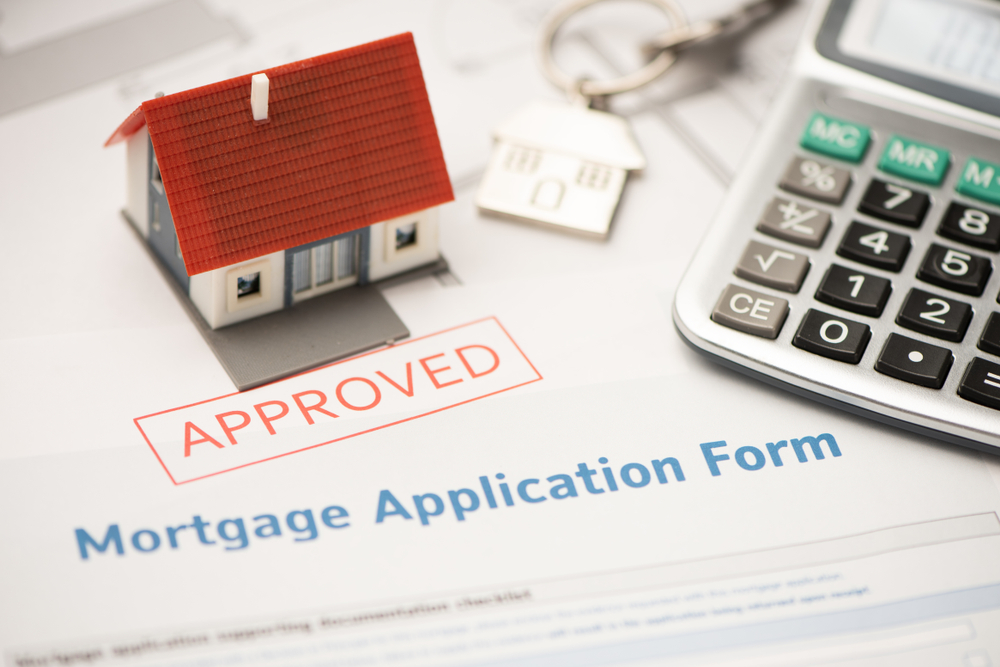
Home equity represents a significant portion of the average retiree's wealth. If you're 62 or older and house-rich but cash-poor, a reverse mortgage loan allows you to convert part of the equity in your home into cash - without having to sell your home. You can use this cash to finance a home improvement, pay off your current mortgage, supplement your retirement income, or pay for healthcare expenses. A reverse mortgage is not without risk, however.
What Is a Reverse Mortgage?
Reverse mortgages operate like traditional mortgages, only in reverse. Rather than paying your lender each month, the lender pays you. Three types of reverse mortgage plans are available:
- Single-purpose reverse mortgages that are offered by state and local government agencies and nonprofit organizations,
- Federally insured reverse mortgages, also known as Home Equity Conversion Mortgages (HECMs), that are backed by the U.S. Department of Housing and Urban Development (HUD), and
- Proprietary reverse mortgages that are private loans backed by the companies that develop them.
What Are the Benefits of a Reverse Mortgage?
The primary benefit of a reverse mortgage is that it allows eligible homeowners to keep living in their homes and use their equity for whatever purpose they choose. Depending on the lender, borrowers can choose to receive monthly payments, a lump sum, a line of credit, or some combination of these. A line of credit offers the most flexibility by allowing homeowners to write checks on their equity when needed up to the limit of the loan.
Reverse mortgages differ from home equity loans in that most reverse mortgages do not require repayment of principal, interest, or servicing fees as long as you live in the home. Instead, the loan is repaid when you die or sell the home.
The proceeds of a reverse mortgage generally are tax-free, and interest on reverse mortgages is not deductible until you pay off the debt. When you die or move out, the loan is paid off by selling the property. Any leftover equity belongs to you or your heirs.
Many reverse mortgages have no income restrictions. If you receive Social Security Supplemental Security Income, reverse mortgage payments do not affect your benefits as long as you spend them within the month they are received. This rule is also valid for Medicaid benefits in most states.
Who Qualifies for a Reverse Mortgage?
To be eligible for a reverse mortgage, generally you must:
- Be 62 years of age or older.
- Either completely own your home or meet applicable equity requirements.
- Live in the home.
- Be able to pay property taxes and other expenses associated with the property, such as homeowners insurance, maintenance and repairs, and any homeowners association fees.
Maximum Loan Amounts
Maximum loan amounts range (depending on the lender) from 50% to 75% of the home's fair market value. The general rule is that the older the homeowner and the more valuable the home, the more money will be available. All reverse mortgages have nonrecourse clauses, meaning the debt cannot exceed the home's value.
Maximum loan amount limits are based on the value of the home, the borrower's age and life expectancy, the loan's interest rate, and whatever the lender's policies are. For example, a homeowner taking out a reverse mortgage through the Federal Housing Administration would be subject to a maximum loan amount - even if the home's appraised value is more.
The Downsides of Reverse Mortgages
If you plan to move a few years down the road or there is a possibility you will have to move due to illness or any other unforeseen event, then a reverse mortgage probably doesn't make sense. Additionally, suppose you already have a substantial mortgage on your home. In that case, the reverse mortgage is probably not for you since you must pay it off before becoming eligible. Several additional downsides of reverse mortgages include:
- Incurring a Large Amount of Interest Debt. Reverse mortgages (fixed-rate or adjustable-rate) are rising-debt loans in that the interest is added to the monthly loan balance. Because it is not paid currently, the total interest you owe increases greatly over time as the interest compounds.
- Fewer Assets for Heirs. If you want to pass your home to your children or other heirs, the reverse mortgage is not a good choice because the lender could get most of the equity when the home is sold, leaving fewer assets for your heirs.
- Higher Costs Up Front. The high up-front costs of reverse mortgages may make them less attractive to some people. All three types of plans charge an origination fee, interest rate, closing costs, and servicing fees. Insured plans also charge insurance premiums.
- Adjustable vs. Fixed Interest Rates. With many reverse mortgage plans, interest rates are adjustable annually or monthly and tied to a financial index, sometimes with limits on how far the rate can go up or down. Reverse mortgages with interest rates that adjust monthly have no limit. Remember that the higher the rate, the faster your equity is used.
Questions?
Reverse mortgages are a complex financial tool that may be the answer for some house-rich and cash-poor retirees planning to age in place, but they are not for everyone. Do not hesitate to call if you have questions about how a reverse mortgage might fit into your retirement planning strategy.