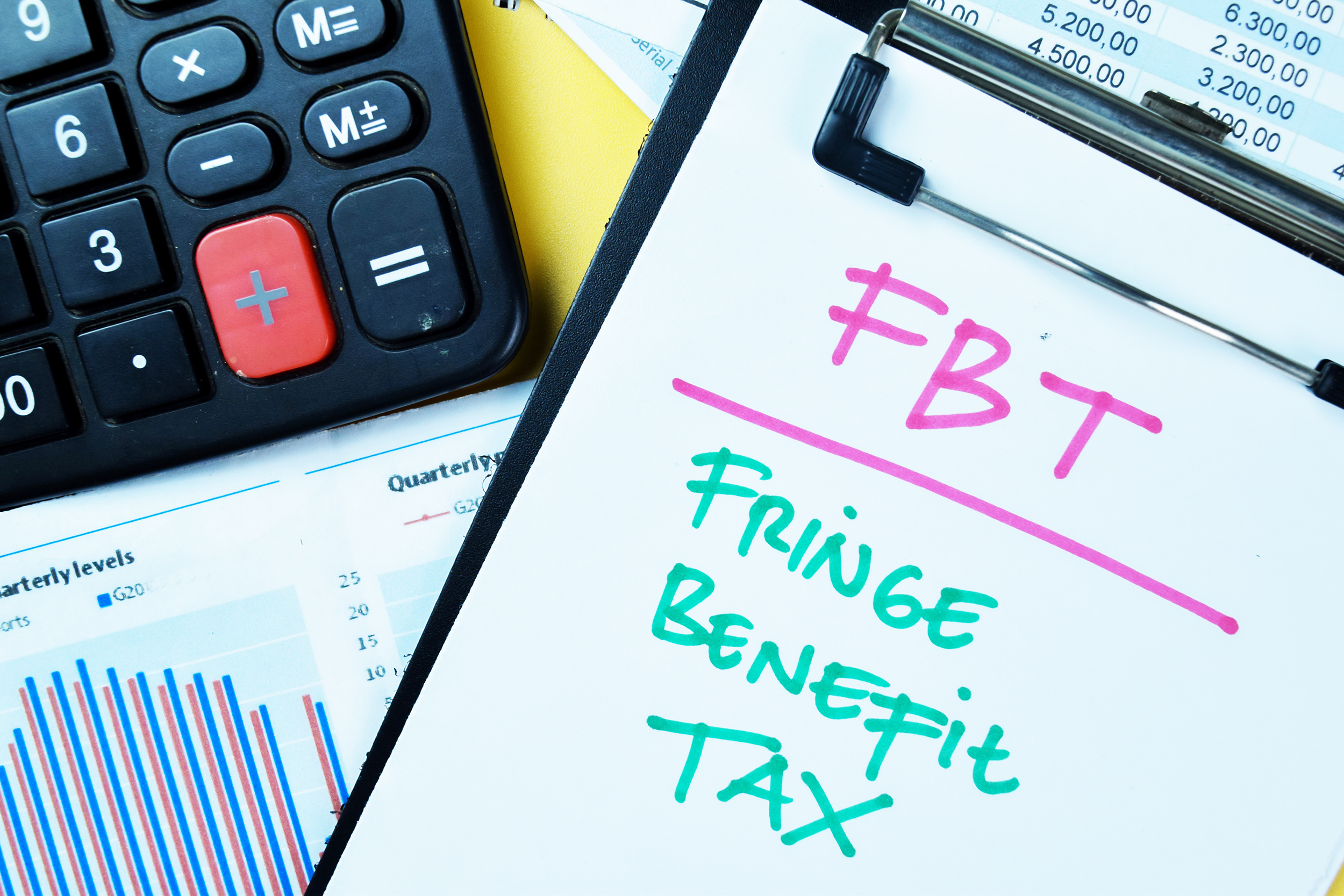
Monday, April 15, 2019, was the tax deadline for most taxpayers to file their tax returns. If you haven’t filed a 2018 tax return yet, it’s not too late.
First, gather any information related to income and deductions for the tax years for which a return is required to be filed, then call the office.
If you are owed money, then the sooner you file, the sooner you will get your refund. If you owe taxes, file and pay as soon as you can, which will stop the interest and penalties you owe.
If you owe money but cannot pay the IRS in full, pay as much as you can when you file your tax return to minimize penalties and interest. The IRS will work with taxpayers suffering financial hardship. If you continue to ignore your tax bill, the IRS may take collection action.
Some taxpayers may have extra time to file their tax returns and pay any taxes due. These include: individuals living or working in a federally declared disaster area, military service members and eligible support personnel in combat zones, and U.S. citizens and resident aliens who live and work outside the U.S. and Puerto Rico.
How to Make a Payment
There are several ways to make a payment on your taxes: credit card, electronic funds transfer, check, money order, cashier’s check, or cash. If you pay your federal taxes using a major credit card or debit card, there is no IRS fee for credit or debit card payments, but processing companies may charge a convenience fee or flat fee. It is important to review all your options. The interest rates on a loan or credit card could be lower than the combination of penalties and interest imposed by the Internal Revenue Code.
What to do if you Can’t Pay in Full
Taxpayers who are not able to pay the full amount owed on a tax bill are encouraged to pay as much as possible. By paying as much as possible now, the amount of interest and penalties owed will be less than if you pay nothing at all. Based on individual circumstances, a taxpayer could qualify for an extension of time to pay, an installment agreement, a temporary delay, or an offer in compromise. Don’t hesitate to call if you have questions about any of these options.
Direct Pay. For individuals, IRS Direct Pay is a fast and free way to pay directly from your checking or savings account. Taxpayers who need more time to pay can set up either a short-term payment extension or a monthly payment plan.
Payment Plans. Most people can set up a monthly payment plan or installment agreement that gives a taxpayer more time to pay. However, penalties and interest will continue to be charged on the unpaid portion of the debt throughout the duration of the installment agreement/payment plan. You should pay as much as possible before entering into an installment agreement.
Taxpayers who have a history of filing and paying on time often qualify for penalty relief. A taxpayer generally qualifies if they have filed and paid timely for the past three years and meet other requirements.
Your specific tax situation will determine which payment options are available to you. Payment options include full payment, a short-term payment plan (paying in 120 days or less) or a long-term payment plan (installment agreement) (paying in more than 120 days). User fees may apply, depending on the type of installment plan you are approved for. A sole proprietor or independent contractor should apply for a payment plan as an individual.
You may qualify to apply online if:
- Long-term payment plan (installment agreement): You owe $50,000 or less in combined tax, penalties and interest, and filed all required returns.
- Short-term payment plan: You owe less than $100,000 in combined tax, penalties and interest.
Cash Payments. Individual taxpayers who do not have a bank account or credit card and need to pay their tax bill using cash, are able to make a cash payment at participating PayNearMe payment locations (places like 7-Eleven) in 44 states. Individuals wishing to take advantage of this payment option should visit the IRS.gov payments page, select the cash option in the other ways you can pay section and follow the instructions.
What Happens if you don’t File a Past Due Return
It’s important to understand the ramifications of not filing a past due return and the steps that the IRS will take. Taxpayers who continue to not file a required return and fail to respond to IRS requests for a return may be considered for a variety of enforcement actions–including substantial penalties and fees. For example, the failure-to-file penalty is 5 percent of the tax owed for each month or part of a month that a tax return is late. However, this penalty is reduced for any month where the failure to pay penalty also applies. The basic failure-to-pay penalty rate is generally 0.5 percent of unpaid tax owed for each month or part of a month.
Need Help Filing your 2018 Tax Return?
If you haven’t filed a tax return yet, don’t delay. Call the office today to schedule an appointment as soon as possible.