If you or someone you know plans to mail a tax return this season, there is an important deadline you need to meet before April 15.
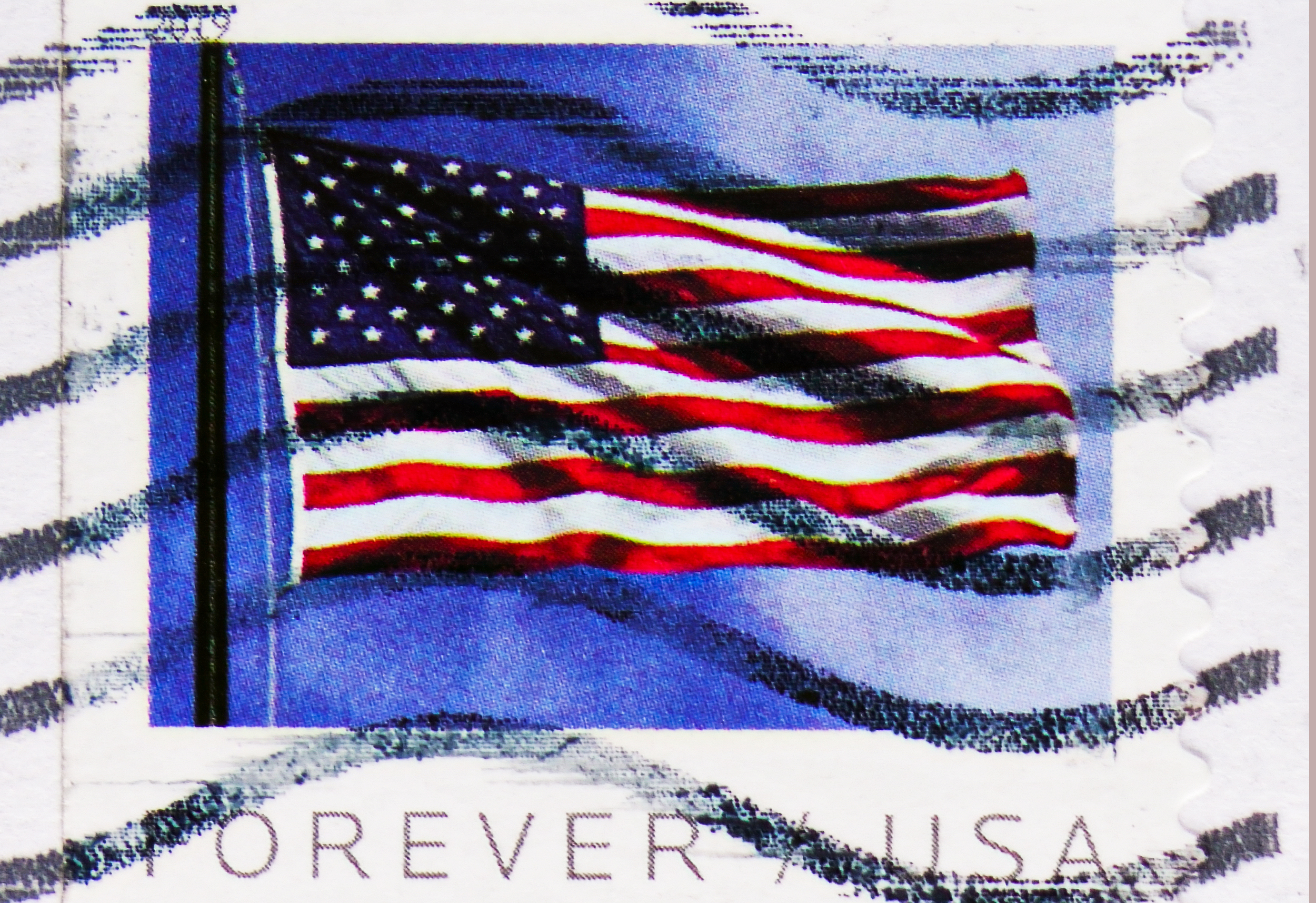
Effective December 24, 2025, the U.S. Postal Service updated the method for determining postmark dates. The change is technical, but the consequences are not. Under the new rule, the postmark reflects the date your envelope is first processed by an automated sorting machine, which could be later than the day you actually mailed it.
Here is the practical risk: dropping your return in a mailbox on April 15 does not guarantee a postmark on April 15. If the envelope is postmarked on or after April 16, the IRS may treat your return as filed late, even if you deposited it earlier.
This matters because IRC §7502 relies on the postmark date to determine whether a document is timely filed if it is not physically delivered to the IRS by the due date. The postmark is not just a stamp. It is the legal record of your filing date.
If You Are Mailing a Return
There are steps you can take to protect yourself. The USPS has identified three methods that provide proof of timely mailing aligned with the actual deposit date: buy postage directly from a USPS worker at the counter, request a manual postmark (available at no extra charge at any Post Office, stamped upon acceptance), or purchase a Certificate of Mailing.
One important caveat: pre-printed labels from Self-Service Kiosks, Click-N-Ship, or postage meters only prove postage purchase, not USPS acceptance. Without an official USPS acceptance stamp, these items cannot serve as proof of mailing date for deadline-sensitive filings.
The Simplest Solution
When possible, file and pay electronically. Electronic submissions are timestamped immediately and eliminate concerns about the postmark. For anyone who has been mailing returns out of habit or to avoid a fee, the calculus has shifted. A late filing penalty far outweighs the cost of e-filing.
If you have questions about how this affects your specific situation, reach out to our office. We are happy to help you navigate it.