The pandemic changed the landscape of work for a lot of people, including the numerous business owners who began running their businesses from their homes. Many are still working from their home offices, whether full-time or on a hybrid basis. If you’re self-employed and run your business from home, or perform certain functions there, you might be able to claim deductions for home office expenses against your business income.
How to Qualify
In general, self-employed taxpayers qualify for home office deductions if part of their home is used “ regularly and exclusively” as the principal place of business.
If your home isn’t your principal place of business, you may still be able to deduct home office expenses if:
- You physically meet with patients, clients or customers on your premises, or
- You use a storage area in your home (or a separate free-standing structure, such as a garage) exclusively and regularly for business.
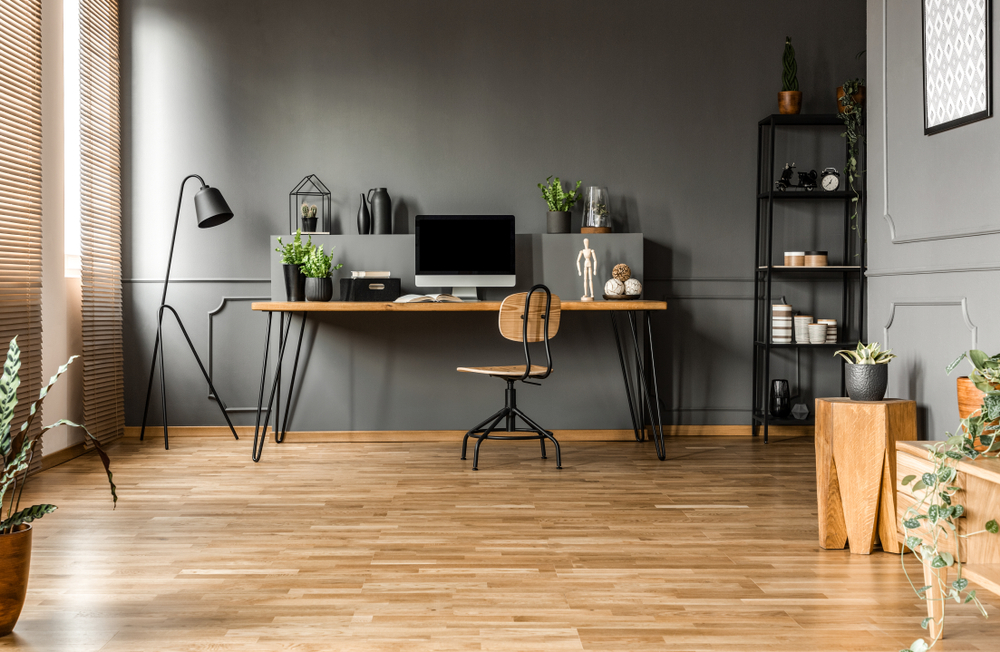
Keep in mind the requirement that the space be used exclusively for business. For example, if your home office is also a guest bedroom, you can’t deduct the entire space as a home office expense. But if you use the desk area of the room exclusively for business, you can deduct that portion of the room, as long as you otherwise qualify.
Expenses You Can Deduct
Many eligible taxpayers deduct actual expenses when they claim home office deductions. Deductible home office expenses may include:
- Direct expenses, such as the cost of painting and carpeting a room used exclusively for business,
- A proportionate share of indirect expenses, including mortgage interest, rent, property taxes, utilities, repairs and insurance, and
- Depreciation.
But keeping track of actual expenses can take time, and it requires organized recordkeeping.
The Simpler Method
Fortunately, there’s a simplified method: You can deduct $5 for each square foot of home office space, up to $1,500. The cap can make the simplified method less valuable for larger home office spaces. Even for small spaces, taxpayers may qualify for bigger deductions using the actual expense method. So tracking your actual expenses can be worth it.
When claiming home office deductions, you’re not stuck with a particular method. For instance, you might have chosen the actual expense method when you filed your 2022 return, but then use the simplified method when you file your 2023 return next year, and the following year switch back to the actual expense method. The choice is yours.
More Considerations
The amount of your deductions is subject to limitations based on the income attributable to your use of the office. Other rules and limitations may apply. But eligible home office expenses that can’t be deducted because of these limitations can be carried forward and may be able to be deducted in later years.
Also be aware that, if you sell a home on which you claimed home office deductions, there may be tax implications. Contact us for more information.
A Valuable Deduction
You might be wondering why only business owners and the self-employed have been addressed here. Unfortunately, the Tax Cuts and Jobs Act suspended home office deductions from 2018 through 2025 for employees, even if you’re currently working from home because your employer doesn’t provide office space.
But the home office deduction can be valuable to those who’re eligible for it. We can help you determine if you’re eligible and the best method for claiming the deduction in your situation.