
More Taxpayers May Qualify for the Casualty Loss Deduction

Jan 1, 2026 | Individuals, Newsletter, Tax

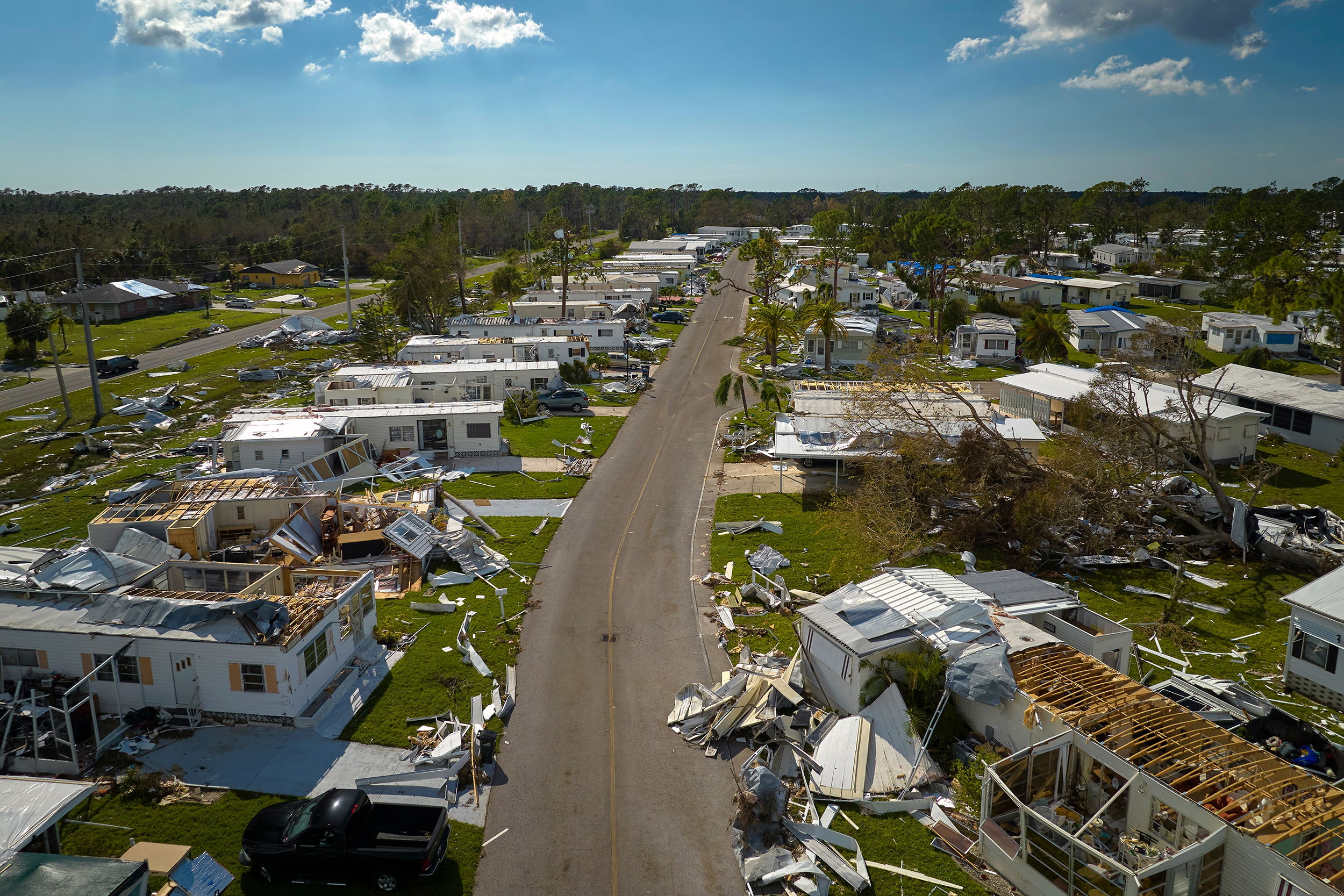
Starting in 2026, personal casualty loss deductions will no longer be limited to federally declared disasters. Certain state-declared disasters will also be eligible. For a disaster to qualify, the governor (or D.C. mayor) and the U.S. Treasury Secretary must agree that the damage is severe enough to apply these rules. Now more taxpayers affected by natural disasters or by fires, floods or explosions, regardless of the cause, may qualify.

Note that taxpayers can still claim personal casualty losses not attributable to federally or state-declared disasters, but only to the extent of any personal casualty gains. Need guidance? Contact the office for help.

 

Go to top

One Big Beautiful Bill Act / Evolution of AI

One Big Beautiful Bill Act / Evolution of AI

BDO Digital Presentation BDO Digital’s discussion on how emerging technologies are rapidly changing financial processes, decision making, and operations at businesses across the country.Download the Presentation OBBBA Presentation The One Big Beautiful Bill Act of...

A New Type of Tax-Advantaged Account for Children

A New Type of Tax-Advantaged Account for Children

Families looking for another way to save for a child’s future may want to consider Section 530A accounts. Created by the 2025 tax legislation commonly referred to as the One Big Beautiful Bill Act, these tax-advantaged savings accounts, also known as Trump Accounts,...

Choosing the Right Business Funding Solution

Choosing the Right Business Funding Solution

Access to capital helps small businesses succeed and grow. Whether you need to cover cash flow gaps, fund expansion plans or invest in long-term assets, it’s important to understand all your financing options. This will help you make informed decisions and select...

Plan Now for Deferring Tax on Advance Payments

Plan Now for Deferring Tax on Advance Payments

With year-end fast approaching, now is a good time to review strategies that could affect your business’s 2026 tax liability. One area that may deserve attention is the tax treatment of advance payments. Some accrual-basis businesses may be able to defer recognizing a...

Single? You Still Need an Estate Plan

Single? You Still Need an Estate Plan

If you’re single with no children, an estate plan can help ensure your wishes will be carried out and important decisions remain in trusted hands. Without a will, state intestacy laws generally determine who inherits assets. While beneficiary designations may control...