While legislation signed into law in 2025 extends or enhances many tax breaks for businesses, it ends some clean energy tax incentives. Fortunately, your business may still benefit from certain clean energy breaks if it acts in the first half of 2026.
Make Building Improvements
The Section 179D deduction allows owners of new or existing commercial buildings to immediately deduct the cost of certain energy-efficient improvements rather than depreciate them over the 39-year period that typically applies. The deduction is available as long as construction begins by June 30, 2026.
The Sec. 179D deduction is available for new construction as well as additions to or renovations of commercial buildings of any size. (Multifamily residential rental buildings that are at least four stories above grade also qualify.) Eligible improvements include depreciable property installed as part of a building’s interior lighting system, HVAC and hot water systems, or the building envelope.
To be eligible, an improvement must be part of a plan designed to reduce annual energy and power costs by at least 25% relative to applicable industry standards, as certified by an independent contractor or licensed engineer. The base deduction is calculated using a sliding scale, ranging for 2026 from 59 cents per square foot for improvements that achieve 25% energy savings to $1.19 per square foot for improvements that achieve 50% energy savings.
Projects that meet specific prevailing wage and apprenticeship requirements are eligible for bonus deductions. Such deductions for 2026 range from $2.97 per square foot for improvements that achieve 25% energy savings to $5.94 per square foot for improvements that achieve 50% energy savings.
Look at Vehicle-Related Breaks
The Section 45W Qualified Commercial Clean Vehicle Credit is available for vehicles that were acquired on or before September 30, 2025. If your business acquired one or more eligible vehicles before that date, you may be able to claim the credit on your 2025 tax return.
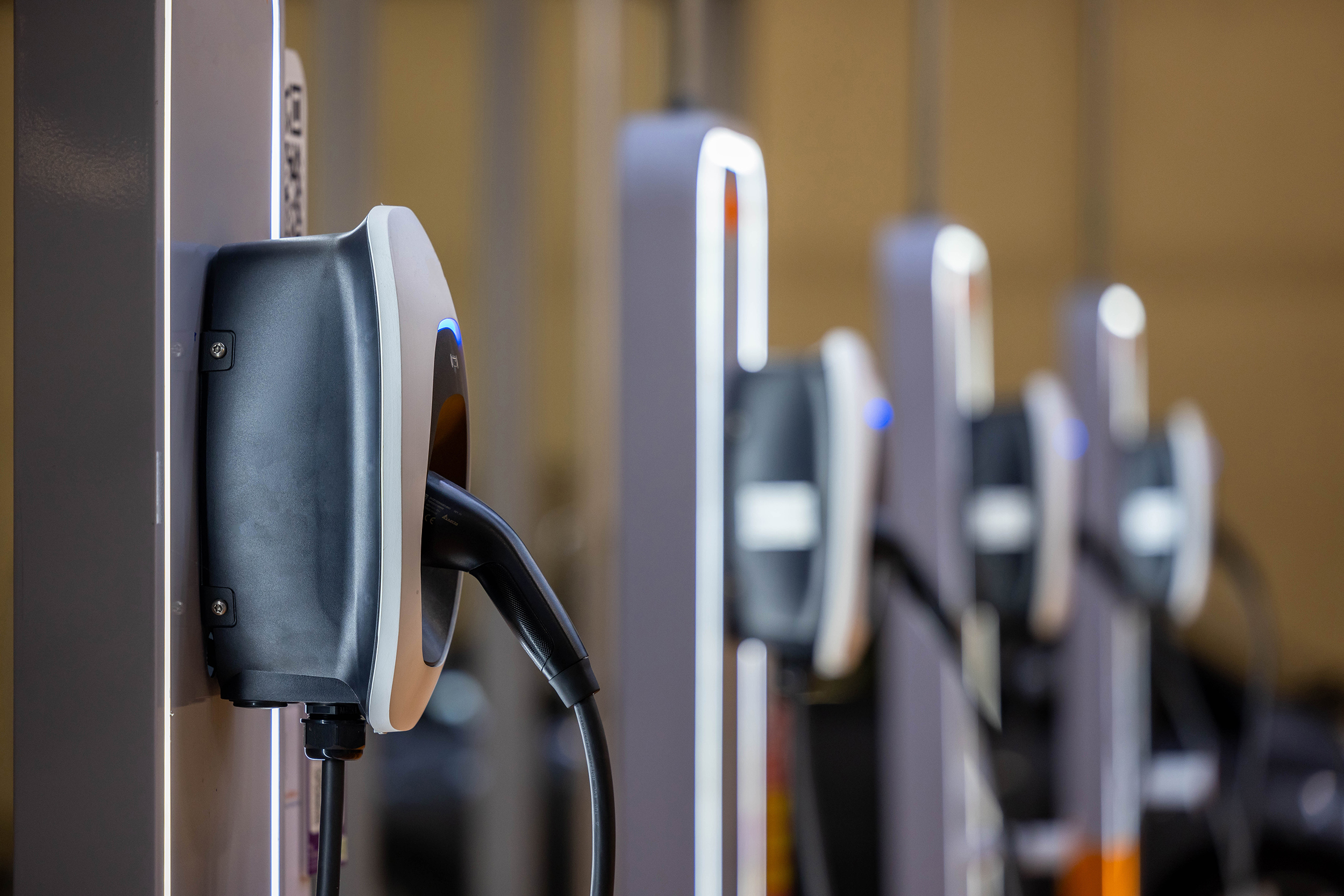
And you still have time to install alternative fuel vehicle refueling property and claim a Section 30C tax credit for 2026. The credit is available for property placed in service by June 30, 2026. Property that stores or dispenses clean-burning fuel or recharges electric vehicles is eligible. The credit is worth up to $100,000 per item (each charging port, fuel dispenser or storage property).
Don’t Wait
Other clean energy breaks that might still be available to you if you act soon include the clean energy investment and production credits and the advanced manufacturing production credit. Contact the office for more information about clean-energy tax breaks and how your business might benefit.